
Solvay and Leonardo together for the research on composites

The Belgian Solvay and the Italian aerospace group Leonardo combine expertise in the production and processing of thermoplastic composite materials launching the Joint Research Virtual Lab.

What the Joint Research Virtual Lab is

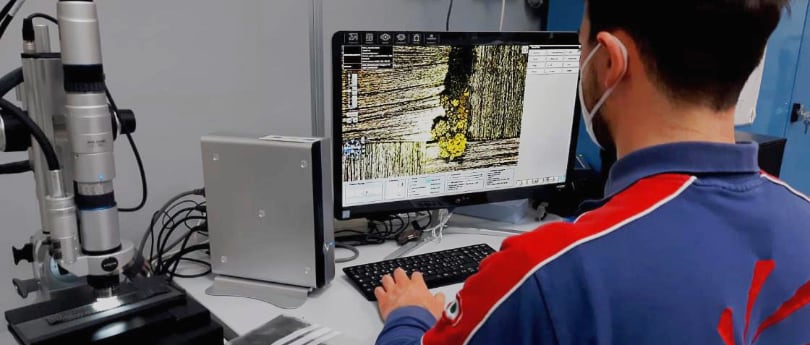
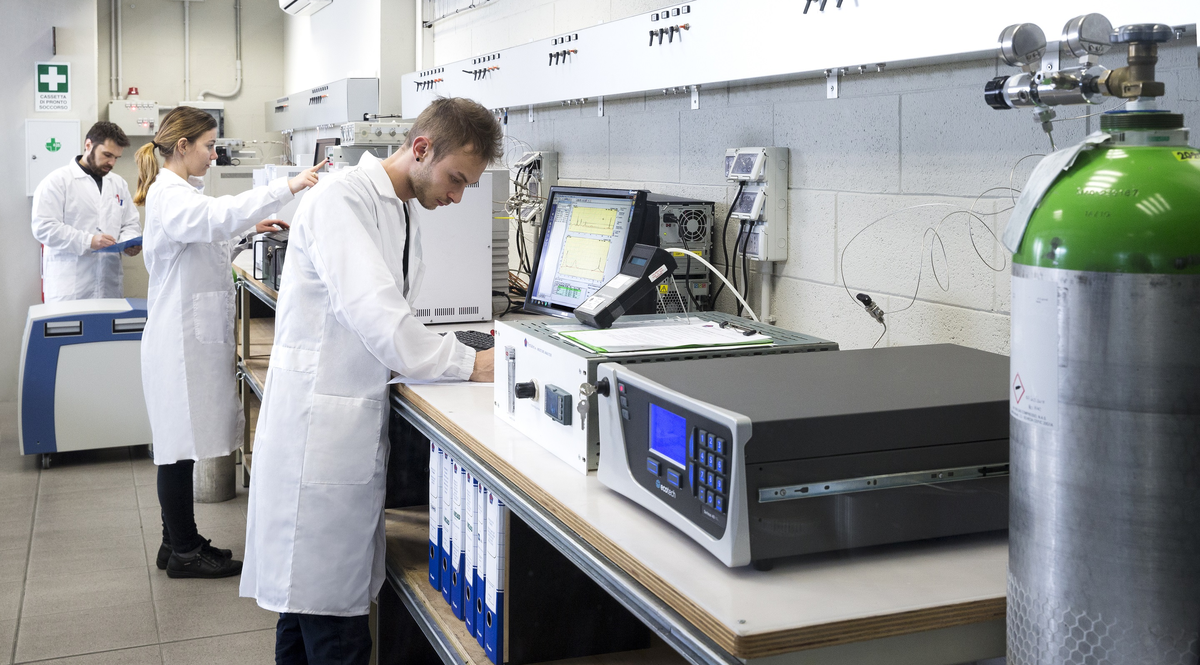
It is a ‘virtual’ research and development structure that will count on the support of the laboratories at the Leonardo plant in Grottaglie (Taranto) and the Material Science and Application Center (MSAC) of Solvay, Brussels. It will be also supported by other internal infrastructures of the two partners and by institutions, research centers, and universities, in Italy and abroad.

The aim of the project is the development of new advanced materials and manufacturing processes for the aerospace industry. There will be a focus on automatic welding and rolling of complex and large aerospace structures.

An important milestone in enabling a step-change

The agreement is the starting point for further collaboration platforms on applications in the aerospace sector and beyond. 

Roberto Cingolani – Chief Technology and Innovation Officer at Leonardo – pointed out that the collaboration with Solvay is a significant step in advanced materials research, part of Leonardo Labs’ R&D programs. 

This partnership aims to promote a radical change in the production of composite parts and to reduce the impact on the environment. The goals are to:

  • improve the properties of the product
  • extend its life cycle
  • increase the efficiency of the production line
Nicolas Cudre-Mauroux, Solvay Chief Technology and Innovation Officer

“This collaboration is in line with the G.R.O.W. strategy of Solvay to strengthen our leadership position as supplier of innovative composite materials for aerospace and other markets. We believe that the partnership with Leonardo will boost our ability to develop breakthrough thermoplastic composite solutions and substantially increase their adoption in aerospace, contributing to reducing fuel consumption and CO2 emissions”.

 

Subscribe now to our quarterly Compositi newsletter
to stay updated on news, technologies and activities 


Source: Polimerica


Leggi anche

In occasione dell’evento JEC Forum ITALY – organizzato da JEC Group in collaborazione con Assocompositi – del prossimo 6-7 giugno 2023 a Bologna, Leonardo Spa terrà un intervento all’interno della sessione “Nuovi modelli per l’innovazione e nuove tecnologie”. Disponibile ora l’abstract dello speech!…

Leggi tutto…

Nell’ottica di rendere più sostenibile l’industria aerospaziale, i compositi a sandwich possono sostituire i termoindurenti tradizionali nella creazione di parti strutturali degli aerei, senza rinunciare alla resistenza in ambienti estremi o in situazioni di carico imprevisto. EconCore sta lavorando con Airbus, Fraunhofer e il Politecnico della Danimarca (DTU) alla realizzazione di un timone sostenibile per un aeromobile in compositi a nido d’ape….

Leggi tutto…

Oggi parlare di aviazione sostenibile, vuol dire porsi l’obiettivo di ridurre il peso strutturale dei velivoli, limitando al contempo anche i consumi e le emissioni. Per raggiungere tale scopo è opportuno sostituire le parti metalliche con equivalenti in compositi, che possiedono elevati rapporti di resistenza e rigidità rispetto al peso. NLR (Netherlands Aerospace Centre) sta esplorando le potenzialità della produzione additiva su larga scala di materiali termoplastici rinforzati con fibre….

Leggi tutto…

De Havilland Dash 8, il nuovo aeromobile della Universal Hydrogen, si è alzato per la prima volta in volo a inizio marzo del 2023. Uno dei suoi motori a turbina era stato sostituito da un propulsore elettrico a combustibile a idrogeno di classe megawatt, che includeva un’elica in fibra di carbonio con profilo alare a cinque pale del diametro di 2,3 metri….

Leggi tutto…

Dopo la cancellazione del decollo dello scorso 15 febbraio, decisa per via di un’anomalia nel sistema del primo stadio e del mancato invio dei segnali d’accensione per gli SRB-3, JAXA intende effettuare un nuovo lancio entro la fine di marzo. H3 è un progetto cruciale per l’industria giapponese, si tratta del primo missile nipponico progettato in 20 anni e rappresenta un progetto radicalmente nuovo rispetto al suo predecessore di base….

Leggi tutto…